
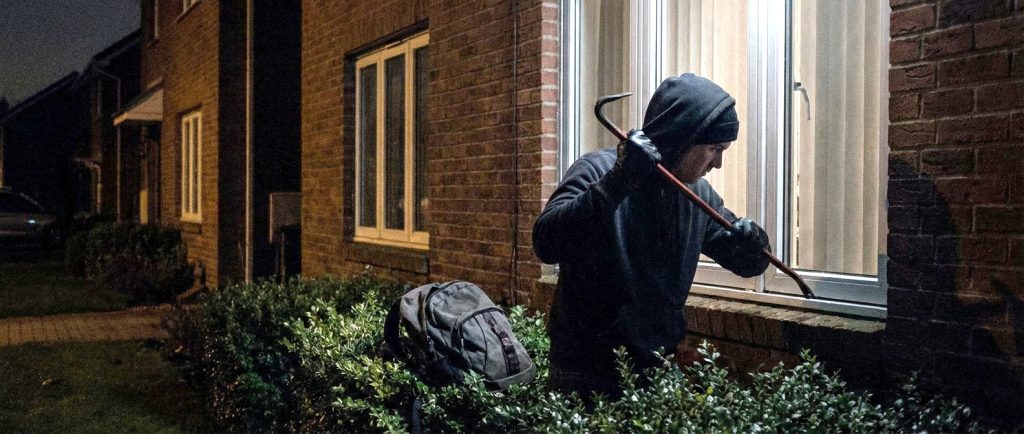
Theft & Robbery in New Jersey
Understanding the Difference – and How Mark Bailey Can Help
In New Jersey, people often use the words “theft” and “robbery” interchangeably—but under the law, they are very different.
-
Theft is about taking property that doesn’t belong to you.
-
Robbery is a theft committed against a person, using force, threats, or fear.
Both can mean a criminal record, heavy fines, and possible jail or state prison. But robbery, because it involves force or threats, is treated as one of the more serious violent crimes in the New Jersey Criminal Code.
If you’ve been charged with theft, robbery, or both, you’re not just dealing with a store or an insurance company—you’re facing the State of New Jersey. Having an experienced defense lawyer like Mark A. Bailey on your side can make a major difference.
How Attorney Mark Bailey Approaches Theft & Robbery Cases
Attorney Mark Bailey understands that these cases often start with:
-
Misunderstandings over property, money, or merchandise
-
Situations that escalate quickly into arguments, shoving, or threats
-
Store security or police reports that don’t tell the whole story
He takes a selective, hands-on approach, limiting the number of serious matters he accepts so he can:
-
Review police reports, surveillance video, body-cam, and witness statements
-
Analyze whether your conduct actually fits the legal definitions of theft or robbery
-
Challenge how the State calculates value (for theft grading) and describes force or threats (for robbery)
-
Look for weaknesses in identification, intent, and the State’s narrative
-
Work toward dismissals, downgrades, diversion, or negotiated outcomes that protect your record as much as possible
Theft in New Jersey – N.J.S.A. 2C:20-3 & 2C:20-2
New Jersey uses the term “theft by unlawful taking or disposition” to describe most basic thefts of movable property (money, merchandise, items, etc.). The statute is N.J.S.A. 2C:20-3, and grading is set out in N.J.S.A. 2C:20-2(c).
A theft generally occurs when someone unlawfully takes or exercises control over someone else’s property with the purpose to deprive the owner of it.
Grading Theft: It’s Mostly About the Dollar Value
For most theft offenses, the amount involved largely determines how serious the charge is:
-
Disorderly Persons Theft (Municipal Court)
-
Value less than $200
-
Up to 6 months in county jail
-
Fine up to $1,000
-
-
Fourth-Degree Theft
-
Value $200–$500
-
Up to 18 months in state prison
-
Fine up to $10,000
-
-
Third-Degree Theft
-
Value more than $500 but less than $75,000
-
3–5 years in state prison
-
Fines generally up to $15,000
-
-
Second-Degree Theft
-
Value $75,000 or more
-
5–10 years in state prison
-
Fines up to $150,000
-
Certain types of property (firearms, controlled substances, prescription blanks, fiduciary theft, etc.) can also elevate the degree even if the dollar amount is lower.
A theft conviction is a conviction for a crime of dishonesty, which can seriously affect employment, licensing, and immigration.
Robbery in New Jersey – N.J.S.A. 2C:15-1
Robbery is basically an “aggravated theft”—a theft committed against a person with force, threats, or injury. The statute is N.J.S.A. 2C:15-1.
A person is guilty of robbery if, in the course of committing a theft (including an attempt or immediate flight), they:
-
Inflict bodily injury or use force upon another; or
-
Threaten another with or purposely put them in fear of immediate bodily injury; or
-
Commit or threaten to immediately commit any crime of the first or second degree (for example, threatening to use a deadly weapon or inflicting serious bodily injury).
“Bodily injury” under NJ law means physical pain, illness, or any impairment of physical condition.
So a shoplifting or street theft can turn into robbery if the State claims there was pushing, hitting, or credible threats of harm during the incident.
Degrees of Robbery & Penalties
Under N.J.S.A. 2C:15-1(b), robbery is ordinarily a second-degree crime, but it becomes first-degree if during the theft the person:
-
Attempts to kill anyone;
-
Purposely inflicts or attempts to inflict serious bodily injury; or
-
Is armed with, or uses or threatens the immediate use of, a deadly weapon.
Second-Degree Robbery (standard robbery)
-
5–10 years in New Jersey State Prison
-
Fine up to $150,000
First-Degree Robbery (armed/serious injury robbery)
-
10–20 years in State Prison
-
Fine up to $200,000 in some circumstances
Most robbery sentences are subject to the No Early Release Act (NERA), which requires serving 85% of the sentence before being eligible for parole.
Because of the violent component and NERA, robbery is considered one of the most serious non-homicide crimes in New Jersey.
Collateral Consequences of Theft & Robbery Convictions
Beyond jail or prison, a conviction for theft or robbery can lead to:
-
A permanent criminal record for dishonesty or violence
-
Loss of or difficulty obtaining professional licenses
-
Immigration problems for non-citizens (including deportation risk)
-
Barriers to employment, housing, and loans
-
Issues in family court, custody disputes, and background checks
For young defendants or first-time offenders, preventing a theft case from turning into a felony theft or robbery conviction is often the primary goal.
Defenses & Strategies in Theft / Robbery Cases
Every case is different, but common defense themes include:
1. Identity & Misidentification
-
Poor-quality or unclear video
-
Cross-racial identification issues
-
Suggestive photo arrays or lineups
-
Limited or conflicting witness descriptions
If the State can’t reliably prove who committed the theft or robbery, the case is weak.
2. Lack of Intent to Steal (Theft)
For theft, the State must show intent to permanently deprive the owner of property.
-
Confusion at the register or self-checkout
-
Belief that an item was paid for or permitted
-
Property disputes that are really civil, not criminal
These can undercut the “theft” element itself.
3. Force / Threat Issues (Robbery)
For robbery, the State has to show that force, injury, or threats occurred in the course of committing the theft (attempt, commission, or immediate flight).
Defense questions often include:
-
Was there actual bodily injury, or just incidental contact in a crowded situation?
-
Were any threats specific and credible, or just angry words?
-
Did the alleged force happen before, during, or after the theft—and was it actually tied to the taking of property?
Challenging these points can lead to reducing a robbery charge back down to theft or another lesser offense.
4. Value Disputes (Theft Grading)
Because dollar amount drives grading, it’s critical to examine:
-
Whether the full retail value is correctly calculated
-
Whether multiple items or incidents were improperly aggregated
-
Whether some property was recovered or not actually taken
Even if a conviction can’t be fully avoided, getting the degree knocked down (for example, from third-degree to disorderly persons) can dramatically change sentencing exposure.
5. Negotiation, Diversion & Mitigation
For eligible clients and charges, Attorney Mark Bailey may pursue:
-
Pre-Trial Intervention (PTI) or other diversion programs for first-time indictable offense theft cases
-
Conditional dismissal or favorable pleas in lower-level matters
-
Sentencing strategies emphasizing employment, family support, treatment, and rehabilitation
The focus is on protecting both your immediate freedom and your long-term record.
How Mark Bailey Can Help in a Theft or Robbery Case
When you retain Mark A. Bailey, he will:
-
Obtain all discovery (police reports, videos, photos, witness statements, forensic reports)
-
Carefully analyze whether the facts justify the level of charge the State has filed
-
Seek to exclude unreliable evidence and challenge improper identifications
-
Negotiate aggressively with prosecutors for dismissals, downgrades, or diversion where possible
-
If necessary, take your case to trial and hold the State to its burden of proof
The Law Office of Mark A. Bailey is dedicated to defending individuals accused of property and violence-related offenses, explaining your options clearly, and fighting for the best possible outcome.
Contact Mark Bailey today for a confidential consultation to discuss your theft or robbery case, your rights, and the best strategy for moving forward.
 1309 Bound Brook Road