
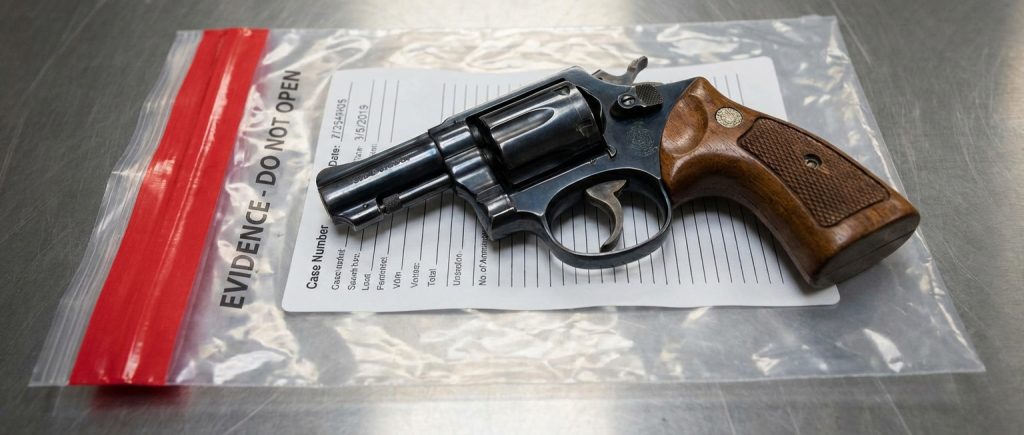
Weapons Offenses in New Jersey
Harsh Laws, Mandatory Prison – How Mark Bailey Can Help
New Jersey has some of the strictest gun and weapons laws in the country. Even if you never fired a shot, never threatened anyone, and thought you were following the rules, you can still be charged with a serious weapons offense that carries:
-
State prison time
-
Mandatory parole ineligibility under the Graves Act
-
A permanent felony record
-
Long-term bans on possessing firearms
If you’ve been arrested for a gun or weapon-related charge in New Jersey, you need an attorney who understands the weapons statutes, the Graves Act, and the real-world ways to reduce or avoid mandatory prison.
How Attorney Mark Bailey Approaches Weapons Cases
Attorney Mark Bailey knows that many weapons arrests come from:
-
Traffic stops where a gun or knife is found in a car
-
Out-of-state gun owners who don’t realize New Jersey’s rules are very different
-
Domestic calls or disturbances where a weapon is discovered
-
Searches tied to other investigations (drugs, theft, etc.)
He takes a hands-on, selective approach, limiting the number of serious matters he handles so he can:
-
Carefully review police reports, search warrants, body-cam, and dash-cam video
-
Analyze how and where the weapon was found and whether the search was lawful
-
Determine whether the charge actually fits the statute (possession, unlawful purpose, “certain persons,” etc.)
-
Evaluate your Graves Act exposure and the possibility of waivers, downgrades, or probationary terms
-
Build a defense aimed at suppressing evidence, reducing charges, or limiting prison time
His goal is to protect you from the harshest parts of New Jersey’s weapons laws while defending your rights at every stage.
Common New Jersey Weapons Offenses
New Jersey’s main weapons laws are in N.J.S.A. 2C:39 and 2C:58. Some of the most common charges include:
-
Unlawful Possession of a Weapon – N.J.S.A. 2C:39-5
-
Possession of a Weapon for an Unlawful Purpose – N.J.S.A. 2C:39-4
-
Certain Persons Not to Have Weapons – N.J.S.A. 2C:39-7
-
Possession of Prohibited Weapons or Devices – N.J.S.A. 2C:39-3
Each statute has different elements and different penalties.
Unlawful Possession of a Weapon – N.J.S.A. 2C:39-5
“Unlawful possession” usually means possessing a weapon without the required permit/license or under circumstances that the law does not allow.
Examples include:
-
Having a handgun without a permit to carry
-
Possessing a rifle or shotgun without complying with New Jersey’s requirements
-
Possessing certain weapons in places or ways that are prohibited
Depending on the type of weapon, unlawful possession can be:
-
Second-degree crime (for most handguns)
-
Third-degree crime (for many rifles/shotguns and some other weapons)
-
Fourth-degree crime (for certain other items)
Punishments can range from up to 18 months in prison (fourth degree) all the way to 5–10 years in state prison (second degree), often with mandatory minimums under the Graves Act.
Possession of a Weapon for an Unlawful Purpose – N.J.S.A. 2C:39-4
This charge doesn’t just say you had the weapon—it says you had it for a bad reason.
The State must prove you possessed a weapon with the purpose to use it unlawfully against another person or property. This is often charged together with:
-
Assault
-
Robbery
-
Burglary
-
Terroristic threats
Depending on the weapon, this is usually a second- or third-degree crime, with serious prison exposure and potential Graves Act implications.
Certain Persons Not to Have Weapons – N.J.S.A. 2C:39-7
This statute applies to people who, because of their prior record or history, are legally barred from possessing weapons at all.
You may be a “certain person” if you have:
-
Certain prior felony (indictable) convictions, especially involving violence, drugs, or weapons
-
Certain domestic violence convictions or restraining orders
If a “certain person” is caught with a weapon, they can be charged with a second- or fourth-degree crime, depending on the circumstances, and face mandatory prison with substantial periods of parole ineligibility.
Possession of Prohibited Weapons or Devices – N.J.S.A. 2C:39-3
New Jersey outright bans certain weapons or devices, including:
-
Sawed-off shotguns
-
Defaced firearms (altered serial numbers, etc.)
-
Certain knives, brass knuckles, billy clubs in particular circumstances
-
Hollow-point ammunition in some prohibited situations (with narrow exceptions)
-
Large-capacity magazines (subject to changing law and litigation)
-
Certain destructive devices or explosives
Many of these are graded as fourth-degree offenses, but some can be third degree or higher depending on the item and the facts.
The Graves Act – Why Gun Cases Are So Harsh
Most New Jersey gun cases are affected by the Graves Act, which requires:
-
Mandatory state prison for many firearms offenses, and
-
A period of parole ineligibility (often at least 42 months or one-third to one-half of the sentence, whichever is greater).
This means that even if you have no prior record, a judge is often not allowed to simply give you probation on a covered gun charge unless there is a Graves Act waiver.
However:
-
Prosecutors can sometimes agree to Graves Act waivers or reductions, allowing probation or shorter parole bars.
-
Judges have limited power to go below the normal minimums in certain circumstances.
A huge part of defending a gun case in New Jersey is understanding how to push for a Graves waiver or downgraded plea when appropriate.
Penalties for Weapons Offenses
While penalties depend on the exact statute and degree, typical exposure includes:
-
Second-degree weapons crimes
-
5–10 years in New Jersey State Prison
-
Presumption of incarceration, even for many first-time offenders
-
Often subject to the Graves Act (mandatory parole ineligibility)
-
-
Third-degree weapons crimes
-
3–5 years in prison
-
Fines up to $15,000
-
Depending on context, may or may not trigger Graves Act penalties
-
-
Fourth-degree weapons crimes
-
Up to 18 months in state prison
-
Fines up to $10,000
-
On top of that, a conviction can:
-
Bar you from ever legally owning or possessing firearms
-
Affect employment, professional licensing, and immigration status
-
Count as a prior for future “certain persons” or enhanced-sentencing situations
Defenses & Strategies in Weapons Cases
Every weapons case is different, but common defense themes include:
1. Illegal Search & Seizure
Many guns and weapons are found during:
-
Car stops
-
Home entries
-
Stop-and-frisk situations
-
Consent searches that may not have been truly voluntary
If police violated your Fourth Amendment rights, your attorney can file a motion to suppress. If the weapon is suppressed (thrown out), the entire case may collapse.
2. Possession Issues (Who Knew What, and Where?)
In New Jersey, the State generally must prove you had actual or constructive possession:
-
Was the gun in your pocket or waistband, or just somewhere in the car?
-
Was it in a shared home, trunk, or glove compartment with multiple occupants?
-
Did you know it was there?
When a weapon is found in a car or shared space, a strong defense may focus on who really owned or controlled it—and whether the State can prove it was you.
3. Intent / “Unlawful Purpose”
For possession for an unlawful purpose, the State must show not just that you had the weapon, but that you had it with the intent to use it unlawfully.
-
Were you actually using it in a threatening way?
-
Was there any plan or communication about using it for a crime?
-
Or was it simply present during an unrelated dispute or situation?
Challenging the State’s evidence on intent can sometimes reduce a second-degree unlawful-purpose charge down to a simpler possession offense—or help negotiate a more favorable resolution.
4. Out-of-State Gun Owners & Mistakes
New Jersey often charges people who:
-
Legally purchased a handgun in another state
-
Are licensed to carry elsewhere
-
Honestly (but wrongly) thought their license or transport method was valid here
While “I didn’t know the law” is not a complete legal defense, these facts can be critical for:
-
Graves Act waivers
-
Downgrading to lesser charges
-
Avoiding long prison terms in favor of probationary or reduced outcomes
5. Negotiation for Graves Waiver & Reduced Sentencing
A major part of weapons defense is damage control:
-
Convincing the prosecutor to apply for a Graves Act waiver
-
Negotiating for a plea to a non-Graves offense
-
Arguing for lower degrees or alternative dispositions based on your background, lack of record, and circumstances of the case
Attorney Mark Bailey will gather mitigation such as:
-
Lack of criminal history
-
Stable employment and family ties
-
Legitimate reasons for travel or possession (even if technically unlawful)
-
Participation in counseling, treatment, or community programs
to support a request for leniency and waiver.
How Mark Bailey Can Help in a Weapons Case
When you retain Mark A. Bailey for a weapons offense, he will:
-
Obtain and analyze all discovery (police reports, videos, lab reports, ballistics if applicable)
-
Evaluate search and seizure issues and file motions where appropriate
-
Determine your Graves Act exposure and potential for waivers or downgrades
-
Advise you candidly about risk vs. reward in trial vs. plea decisions
-
Fight to suppress evidence, dismiss charges, reduce degrees, or secure a favorable plea that protects your future as much as possible
The Law Office of Mark A. Bailey is dedicated to defending individuals accused of serious weapons offenses and navigating the Graves Act and New Jersey’s strict gun laws to fight for the best possible outcome.
Contact Mark Bailey today for a confidential consultation to discuss your weapons charge, your rights, and the best strategy for moving forward.
 1309 Bound Brook Road